China’s Beef Ban: What Ranchers Need to Know About the Trade War’s Latest Blow
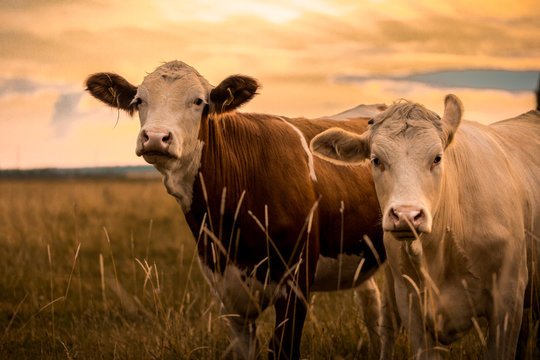
If you’ve heard whispers about China slamming the door on American beef and turning to Australia instead, you’re not imagining things. The rumors are true - but forget the half-baked takes on social media. This isn’t just a distant trade spat; it’s hitting ranchers, feedlots, and small towns across the US, including in my home state of Oklahoma. Here’s the real story, what it means for our beef industry, and why it matters to you.
What’s Happening?
China, which bought $2.5 billion of US beef in 2024, has effectively stopped imports cold. How? By letting export licenses lapse for about 300 American slaughterhouses and piling on tariffs as high as 116%. This isn’t random, it’s part of the escalating US-China trade war, sparked by new US tariffs on Chinese goods announced in early 2025. China’s hitting back, and our cattle ranchers are caught in the crossfire.
Meanwhile, Australia’s cashing in. Their grain-fed beef exports to China jumped nearly 40% in February and March 2025, filling the gap we left. Aussie ranchers are now China’s go-to for high-quality beef, while US producers are left scrambling. Brazil and Argentina are also stepping up, but Australia’s the big winner for now.
Why Does This Hurt Oklahoma?
Oklahoma’s no small player in beef. With over 5 million cattle, it is one of the top states for ranching, and its feedlots churn out the kind of grain-fed beef China used to crave. Losing that market - a third of our beef exports by value - is like a punch to the gut. Here’s how it’s playing out:
Lost Income: That $2.5 billion China spent on US beef supported ranchers, feedlots, and processors nationwide. It meant jobs at places like the Cargill plant in Dodge City or the National Beef facility in Liberal, Kansas. Now, that cash flow’s gone.
Price Pressure: With China out, our beef’s got to go somewhere - either other countries like Japan or the US market. Too much supply here could tank prices for your cattle, making it harder to cover costs when you’re already dealing with high feed prices and drought.
Everyone’s Hit: This isn’t just a Texas or Nebraska problem. Every Oklahoma rancher, feels it if they’re tied to the export market. Smaller operations might not ship directly to China, but when big packers lose contracts, they buy fewer cattle locally.
Is Oklahoma Worse Off Than Others?
Not exactly. States like Texas (12.5 million cattle) and Nebraska (7.1 million) might lose more in raw dollars because they’re bigger. But Oklahoma’s right up there, and its towns, like Enid, Guymon, and Woodward, depend on cattle money to keep Main Street alive. When ranchers tighten belts, so do feed stores, truckers, and even diners. Plus, the wheat farmers, already stung by China’s tariffs on US grains, could take a double hit if feed demand drops.
What’s the Ripple Effect?
This beef ban doesn’t just stop at the ranch gate. Here’s how it could shake things up:
Wheat and Feed: Oklahoma’s wheat and corn go into cattle feed. If feedlots cut back because exports are down, farmers might see lower prices. Remember 2020, when grain prices wobbled during COVID? It could feel like that again.
Jobs: Meatpacking plants might slow down or lay off workers. That’s not just a paycheck, it’s families in places like Alva or Elk City feeling the pinch.
Local Businesses: Less money in ranchers’ pockets means fewer tractor repairs, fewer coffees at the café, and tighter budgets for county fairs. Rural Oklahoma thrives when cattle do.
Global Competition: Australia’s not just taking China - they’re eyeing our other markets, like Japan. If they lock in those deals, it’s harder for us to bounce back.
Sorting Fact from Fiction
You might’ve seen posts claiming this is all a Biden-era holdover or that China’s ban only hits certain states. Nope. This kicked into high gear in 2025 under the current trade war, and it’s a nationwide issue, no rancher’s exempt. Others say it’s temporary, but with China cozying up to Australia and Brazil, we could be locked out for years if tariffs don’t ease. And don’t buy the line that domestic beef prices will crash overnight—supply chains don’t shift that fast, but pressure’s building.
What Can We Do?
It’s tough, but Oklahoma ranchers are no strangers to hard times. Here are some steps to consider:
Stay Informed: Follow trade news from reliable sources like the USDA or Oklahoma Farm Bureau, not just X posts. Knowing the real numbers helps you plan.
Diversify Markets: Push for new trade deals with countries like South Korea or Mexico. Your local co-op or cattlemen’s association can amplify that voice.
Lean on Community: Talk to neighbors, share strategies. Maybe it’s cutting feed costs or exploring local butcher shops for direct sales.
Watch Policy: The government might float subsidies or aid if losses mount. Keep an eye on what Congress and the USDA propose—your vote and voice matter.
Looking Ahead
China’s beef ban is a wake-up call, not the end of the road. Ranchers have weathered droughts, market crashes, and more. But this one’s different - it’s global, and it’s tied to politics bigger than any one ranch. Australia can’t supply China forever; their herd’s too small. If we play smart - push for trade fixes, find new buyers, and keep our operations lean, we can come out stronger.
For now, let’s ditch the rumors and face the facts. Our cattle industry’s taking a hit, but it’s not down for the count. Share this with your neighbors, talk it over at the feed store, and let’s keep American beef on the map.